Kenya Tourist Destinations
Kenya is the original home of safari. Some of the popular tourist attractions in Kenya includes the Wildebeest Migration, the big 5, rich cultural experiences, incredible landscapes and views, and fantastic beach holiday destinations.
Here are some of the top tourist destinations in Kenya.
Maasai Mara National Reserve
Maasai Mara is located South-West of Kenya and is regarded as the finest safari destination in Kenya, if not in Africa. One will meet the ‘Big Five’ including Lion, Elephant, Rhino, Leopard, and Buffalo. Other animals found here are wildebeest, zebras, giraffe, Thompson’s gazelle, and a good number of bird species.
The Maasai Mara is known to have the highest number of lions in the whole world.
Moreover, it is well known for the annual wildebeest migration that involves the movement of wildebeest accompanied by zebras from the neighboring Serengeti. The vegetation here is grassland and small forests with clumps of acacia trees.
Maasai Mara is about 5 hours by road from Nairobi and 45 minutes by flight. Flights from Diani, Malindi, Lamu, and Mombasa are also possible.
Activities: Game viewing, photography, bird watching, wildebeest migration, cultural visits, balloon safaris, horse riding, and filming.

Masai Mara Tours:
3 Days of Maasai Mara Safari
4 Days of Lake Nakuru & Maasai Mara
4 Days Maasai Mara Safari
4 Days of Maasai Mara Fly-In Safari
6 Days of Ol Pejeta, Lake Elementaita and Maasai Mara
6 Days of Tsavo West & Maasai Mara by flight
7 Days of Amboseli, Lake Naivasha and Maasai Mara
8 Days of Samburu, Ol Pejeta, Lake Naivasha and Maasai Mara
8 Days Rwanda Gorilla Trek & Maasai Mara Safari
9 Days of Amboseli, Ol Pejeta & Maasai Mara fly-in safari
Amboseli National Park
Amboseli together with Lake Nakuru and Nairobi National Park are referred as premium parks in Kenya. Located in the Southern part of Kenya, near Tanzania border, Amboseli is home to a good number of wildlife including birds, savannah vegetation, and exciting Maasai culture.
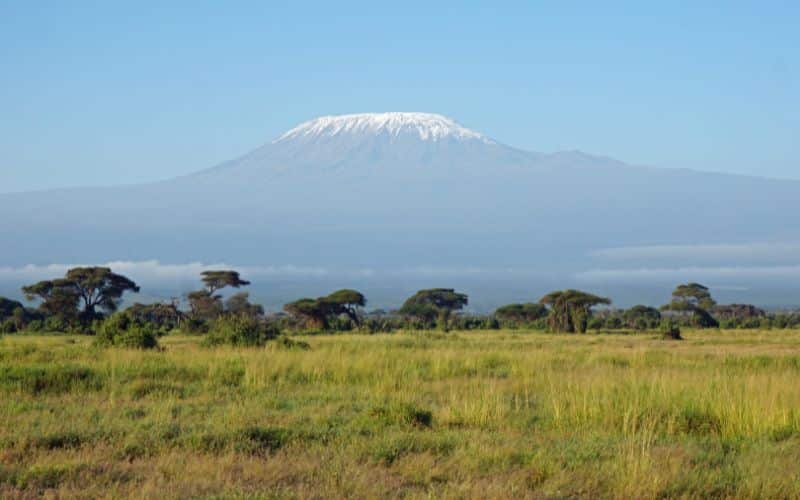
What makes Amboseli stand out from the rest of the parks is the spectacular view of the Africa’s tallest mountain, Mount Kilimanjaro. Moreover, this park is unique for being home to a large number of elephants and anyone to this place has to meet several herds of them grazing leisurely. There are also other animals to look out for including buffalo, giraffe, zebra, leopard, rhino, lesser kudu, and over 600 bird species.
Activities: Game viewing, photography, bird watching, balloon ride, cultural tour and camping
Amboseli Tours:
2 Days Amboseli Safari
3 Days Amboseli Safari
3 Days of Amboseli Safari from Mombasa by train
5 Days of Amboseli, Tsavo East & Saltlick Safari, Nairobi to Diani/Mombasa
5 Days of Tsavo East, West & Amboseli, Diani to Nairobi
6 Days of Tsavo West & Maasai Mara by flight
7 Days of Amboseli, Lake Naivasha and Maasai Mara
8 Days of Maasai Mara Safari & Diani Beach
9 Days of Kenya Safari & Diani Beach
11 Days Maasai Mara, Serengeti, Ngorongoro & Amboseli Safari
Lake Nakuru National Park
This park just like Amboseli is one Kenya’s premium parks. Lake Nakuru is located North-West of Nairobi, 170 kilometers away. Lake Nakuru is home to the largest number of rhinos in Kenya. Apart from flamingoes, there are over 450 bird species making it a good bird watching spot for birders. Other animals accommodated here include; the hippo, leopard, lion, waterbuck, impala, gazelle, hyena, and colobus monkey, and Rothschild’s giraffe which is an endangered species.
Activities: Game viewing, bird watching, camping, and photography.

Samburu National Reserve
Samburu is one of the least known national parks in Kenya although it has gained popularity over the recent years with its unique location and wildlife. Located on the banks of Ewaso Nyiro river, and the savannah plains, Samburu attracts wildlife from surrounding bushes. This place is located in Nothern Kenya approximately 350 kilometers away from the bustling city of Nairobi and since it is less visited, it is a good spot for those who love tranquility and want less crowded areas.
Activities: game viewing, bird watching, nature walks, cultural visits, sundowner dinner, and bush breakfast.

Samburu Tours:
3 Days of Tsavo East Safari from Diani, Malindi or Mombasa
3 Days of Samburu Safari
5 Days of Amboseli, Tsavo East & Saltlick Safari, Nairobi to Diani/Mombasa
5 Days of Tsavo East, West & Amboseli, Diani to Nairobi
8 Days of Samburu, Ol Pejeta, Lake Naivasha and Maasai Mara
8 Days of Maasai Mara Safari & Diani Beach
9 Days of Kenya Safari & Diani Beach
12 Days of Kenya Luxury Safari
13 Days Kenya Safari – Big Five & Top Parks
15 Days Rwanda, Kenya, Tanzania & Zanzibar Safari
Nairobi National Park
Located just 7 kilometers away from the city centre of Nairobi, Nairobi National Park is for those who are on business trip and would like to sample what Kenya has to offer in terms of wildlife. It is unique because it is the only protected area in a capital city. This park is home to a number of wildlife including black rhino, cheetah, hyena, giraffe, zebra, elands, leopard, lion, buffalo, and a good number of bird species. This park is also endowed with other attractions namely Nairobi Safari Walk, Animal Orphanage, and walking trails at the hippo pool. It is definitely an ideal place for those on short trips to Kenya.
Activities: Game viewing and nature walks

City Tour Package
- Nairobi City Excursions
Mount Kenya
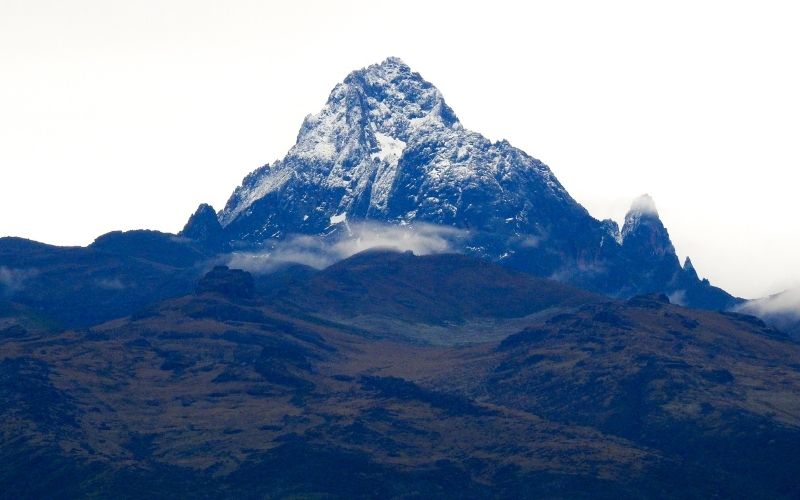
Mt. Kenya is located 175 kilometers, North-East of Nairobi and it is the 2nd highest mountain in Africa with 5,199 m after Mt. Kilimanjaro in Tanzania. It is the largest water source for about 50% of the country’s population. Mount Kenya has unique and beautiful landscapes characterised by afro-alpine moorlands, diverse forests and a rugged glacier-clad summit. Some of the things to look out for while climbing Mt. Kenya is the small lakes, glaciers, a variety of geological matter, forest, mineral springs, rare and endangered animal species, wildlife adapted to the high altitude climate, montane and alpine vegetation. Wildlife found there includes elephants, bush buck, water buck, elands, and white-tailed mongoose. On a lucky day, one can see leopard, rhino and the giant forest hog. Birds are also present here with over 130 species having been recorded.
Activities: Game viewing, camping, trekking, mountaineering, bird watching, photography, and filming.
Aberdares National Park
Aberdares National Park covers the higher side of the wider Aberdare Mountain Ranges of Central Kenya with an area mass of 767 Km². It is rich in topography of deep ravines that cuts through the forest. Wildlife found here includes leopard, white colobus monkey, baboon, elephant, sykes monkey, and black rhino. While here one will notice that the elephants are dominant around water holes and salt lick.
Activities: Game viewing, camping, picnics, bird watching, photography, and trekking.

Tsavo East & Tsavo West National Park
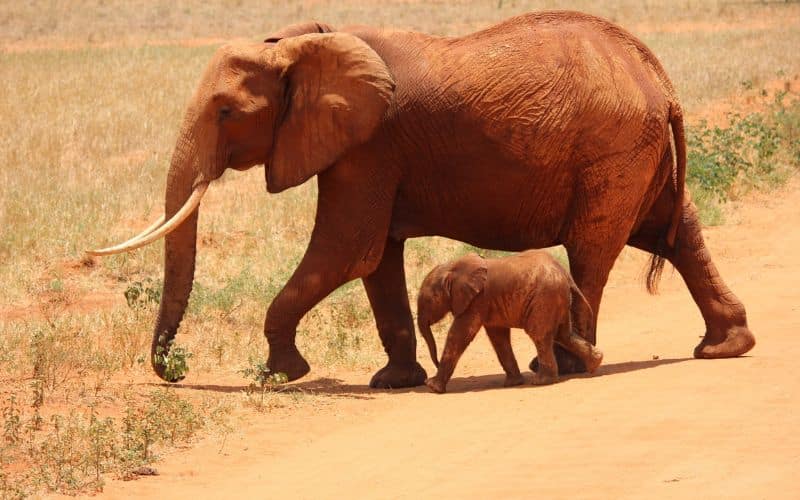
This is the largest park in Kenya that covers 4% of Kenya’s total land area with Tsavo East being the larger of the two. Tsavo East is a hub to large herds of elephants just like Amboseli and other wildlife including rhino, lion, buffalo, waterbuck, zebra, and over 500 species of birds. This park is usually suited for those visitors on leisure on the coastal side of Kenya and would love to combine the bush and the beach. Apart from a good number of wildlife presence, Tsavo also boasts other attractions including the “Shetani Lavas,” Lugard Falls on the Galani River, Mudanda Rock, as well as the Mzima Springs with cool waters.
Activities: Game viewing, walking safaris, and bird watching.
Tsavo Tours
3 Days of Tsavo East Safari from Diani, Malindi or Mombasa
5 Days of Amboseli, Tsavo East & Saltlick Safari, Nairobi to Diani/Mombasa
5 Days of Tsavo East, West & Amboseli, Diani to Nairobi
8 Days of Maasai Mara Safari & Diani Beach
9 Days of Kenya Safari & Diani Beach
12 Days of Kenya Luxury Safari
13 Days Kenya Safari – Big Five & Top Parks
15 Days Rwanda, Kenya, Tanzania & Zanzibar Safari
Mount Longonot
This is a beautiful mountain located just 85 kilometers away from Nairobi making it applicable for a day trip. This mountain has V-shaped valleys and ridges with little vegetation with the crater having an impenetrable forest. It has a rough terrain and cannot be accessed by vehicles making it a good spot for hiking. Hiking to the top of the rim will provide a good view of the Great Rift Valley and Lake Naivasha.
Activities: Hiking, biking, and nature viewing

Hell's Gate National Park
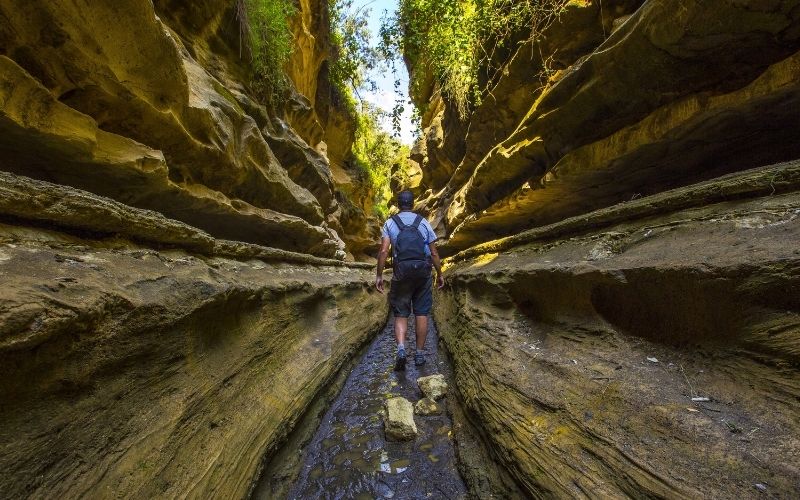
Hell's Gate is located about 90 kilometers away from Nairobi and is in the environs of Lake Naivasha. It is a park that is characterised by savannah vegetation and harbors a good number of wildlife. Wildlife found in Hells Gate includes zebra, African Buffalo, hartebeest, klipspringer, Chanler’s mountain reedbuck, and Thomson’s gazelle, and over 100 bird species.
Activities: Hiking, cycling, camping, photography, game viewing and bird watching
Ol Pejeta Conservancy
Ol Pejeta Conservancy is one of Kenya’s conservancies that seek to ensure that endangered species are protected for many years to come. This conservancy which is situated in Laikipia, and sitting along the equator is well known for being the only place in Kenya if not East Africa that hosts caged Chimpanzees. Moreover it is regarded as the East Africa’s Largest Black Rhino Sanctuary as well as home to endangered Northern White Rhinos and Southern White Rhinos. This park also prides itself on a good number of wildlife including the ‘Big Five,’ grevy’s zebra, cheetah and Jackson’s hartebeest.
Activities: Wildlife viewing, guided nature walks, and cultural visits

Kenya Coast
This includes Diani, Mombasa, Malindi, Lamu and Watamu.
Activities: Water sports (swimming, diving, surfing), game viewing, cultural visits to Lamu, and Cultural festivals

Kenya Travel FAQs: Planning Your Safari
What are the top places to visit in Kenya?
Kenya's headline destinations are the Maasai Mara (the Great Migration and big cats in the southwest), Amboseli (elephants beneath Mount Kilimanjaro), Tsavo East and West (vast, red-earth wilderness), Lake Nakuru (rhinos and flamingos in the Rift Valley), Samburu (rare northern species), and the Indian Ocean coast around Diani, Watamu, and Mombasa. Most trips start in Nairobi, which has its own national park on the city's doorstep.
What is Kenya best known for?
Kenya is where the safari began, the word itself is Swahili for "journey", and it's best known for the Great Migration in the Maasai Mara, the Big Five, and the iconic sight of elephant herds crossing Amboseli with Kilimanjaro behind them. It's also known for Maasai and Samburu culture, the flamingo-lined Rift Valley lakes, and a coastline of white-sand beaches and coral reefs. Few countries let you pair a proper safari with the beach so easily.
When is the best time to visit Kenya, and when is the Great Migration?
The dry seasons, roughly June to October and January to February, animals gather at water and the grass is short. The Great Migration reaches the Maasai Mara from around July to October, with the dramatic Mara River crossings most likely in August and September. The green seasons (November, and March to May) are lush, quieter, and cheaper, with excellent birdlife.
How many days do you need for a Kenya safari?
Three to four days is enough for a focused trip to a single park like the Mara or Amboseli. For a classic circuit, say the Mara, Amboseli, and a Rift Valley lake, plan on 7 to 10 days. Add three or four more if you want to finish on the coast, which is a natural way to wind down after the game drives.
What is the Maasai Mara known for?
The Maasai Mara is Kenya's flagship reserve and the stage for the Great Migration, when well over a million wildebeest and zebra move up from the Serengeti. It has some of the highest big-cat densities in Africa, lion, cheetah, and leopard, along with the rest of the Big Five. The surrounding conservancies offer quieter game viewing and off-road access that the main reserve doesn't.
What is Amboseli National Park known for?
Amboseli is famous for two things: large, relaxed elephant herds, and the backdrop of Mount Kilimanjaro rising across the border in Tanzania. Its open, dried-lake landscape makes wildlife easy to spot and photograph, and it's close enough to Nairobi to reach by road in a morning, which makes it a popular first or last stop on a longer safari.
What is there to do on the Kenya coast?
The coast is where a safari turns into a holiday. Diani's white sand and warm Indian Ocean water are the draw, with Watamu and the Mombasa beaches close behind. You can snorkel and dive the marine parks, sail a traditional dhow at sunset, or wander the Swahili history of Mombasa's Old Town and Fort Jesus. It pairs perfectly with a Mara or Amboseli safari for a bush-and-beach trip.
How much does a Kenya safari cost?
As a rough per-person, per-day guide: budget camping safaris run around US$150–$250, mid-range lodge safaris about US$350–$500, and luxury from roughly US$600 upward, sometimes well beyond.
Park entry fees are a real chunk of that and are set by the authorities, so they shift from year to year. Travelling as a planned package usually works out better value than booking each piece separately.
Do I need a visa to visit Kenya?
Kenya no longer issues traditional visas or visa on arrival. Instead, almost all visitors need an Electronic Travel Authorization (eTA), applied for online before you fly at the official portal, etakenya.go.ke, for about US$30. Apply at least a week ahead, and use only the official site, third-party sites charge inflated fees. If you're combining Kenya with Uganda and Rwanda, the East Africa Tourist Visa (US$100) covers all three.
Is Kenya safe for tourists?
The safari parks, reserves, and main coastal resorts are well set up for tourism and see visitors safely year in, year out.
The sensible approach is the same as anywhere: travel with a reputable operator, keep valuables discreet in cities, and follow local guidance. A good driver-guide handles the logistics and keeps you well away from the few areas travellers are advised to avoid, mostly remote border regions far from the safari circuit.
Do I need vaccinations or malaria tablets for Kenya?
Most safari areas and the coast carry a malaria risk, so many travellers take antimalarial tablets, your doctor or a travel clinic will advise what suits you. A yellow fever certificate is required if you're arriving from a country where yellow fever is present, so it depends on your route. See a travel clinic four to six weeks before departure to sort vaccinations and prescriptions in good time.
How do you travel around on a Kenya safari - by road or by air?
Both work, and many trips mix them. A road safari in a 4x4 with a driver-guide is the classic way, flexible, good value, and you see the country change between parks. Flying between reserves saves time on longer routes and suits shorter trips. For most first-time visitors, having the same guide throughout, someone who knows the routes and reads the wildlife, is what makes the trip.
Can I combine a Kenya safari with the beach or another country?
That flexibility is one of Kiboko Kenya Safari's strengths. The most popular combination is bush-and-beach, pairing the Mara or Amboseli with a few days on the coast. Beyond Kenya, you can cross into Tanzania for the Serengeti or continue to Rwanda for gorillas, all on the East Africa Tourist Visa where it applies. We plan and route the whole journey so the connections and timings line up.
Planning a Kenya safari and not sure how to piece it together? We drive these routes ourselves and build each trip around what you actually want to see. Tell us your dates and interests and we'll put a route to you.
Ready to Plan Your Safari?
With our expert advice and local knowledge, we’ll help you craft your personalized safari tour.
Just fill out our Custom Safari Request Form to get started!