
Best Time to Go on Safari in East Africa
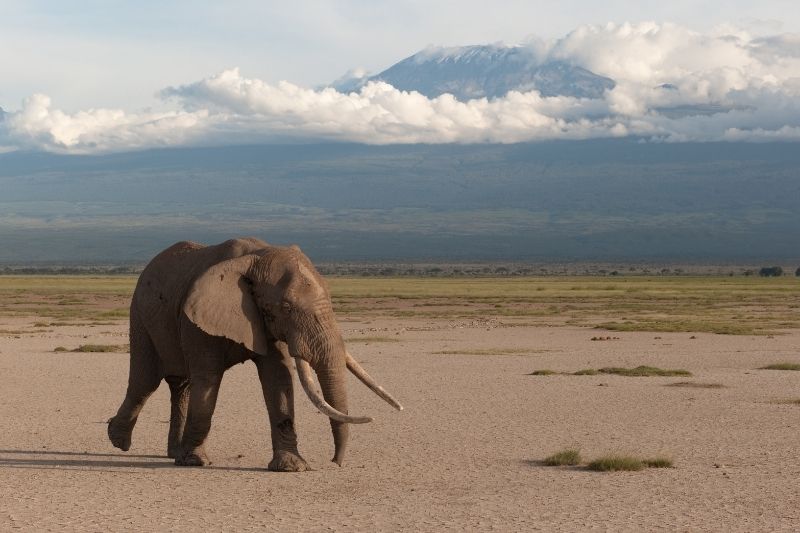
June – October (Peak Dry Season)
These are the top safari months across East Africa. The weather is dry, skies are clear, and vegetation is short, making wildlife easier to spot. This is also the period of the famous Great Wildebeest Migration river crossings in the Masai Mara (Kenya) and northern Serengeti (Tanzania), usually from July to September.
- Excellent game viewing due to animals gathering around water sources
- Cooler temperatures, especially in the mornings and evenings
- High demand means higher hotel rates and more crowds, particularly in popular parks like Masai Mara, Serengeti, Ngorongoro, Amboseli, and Lake Nakuru
- Best time for first-time safari travellers and photographers
December – March (Dry Season with Occasional Showers)
This is another very good safari window. The short rains have ended, the landscape is greener, and wildlife viewing remains strong. The wildebeest herds are usually in southern Serengeti and Ndutu during this period.
- Calving (birthing) season happens around late January to February in the Ndutu area, attracting predators and offering dramatic wildlife action
- Short grass makes it easier to see animals, especially big cats
- Warm, pleasant weather with only occasional light showers
- Hotel rates are moderate, but prices peak during the Christmas and New Year period
- Great time for both safari and beach combinations
April, May & November (Green / Rainy Seasons)
These are considered the low or shoulder seasons.
- April & May: Long rains. Parks are lush and green, fewer tourists, and some lodges offer significant discounts
- November: Short rains. Usually brief showers, not continuous rain
- Wildlife is still present, but long grass can make spotting animals slightly harder
- Roads in some parks can be muddy and more challenging
- Ideal for travellers who prefer quieter parks, greener landscapes, birdwatching, and lower accommodation rates