
Tanzania Northern Destinations
The Northern Circuit is the crown jewel of African wildlife. Some of the popular tourist attractions in Northern Tanzania includes the world-famous Serengeti plains, the Ngorongoro Crater, the Big 5, the Great Wildebeest Migration, and the majestic views of Mount Kilimanjaro and Mount Meru.
Serengeti National Park
Located 335 kilometers away from the town of Arusha, this park is part of the larger Serengeti ecosystem covering about 14,763 km². It borders Lake Victoria to the West, and this vast savannah plain is known to host a huge number of wildlife including the wildebeest, gazelles, and zebras, along with the densest population of lions in Africa.
The landscape, a UNESCO World Heritage site, is characterized by its "endless plains" and iconic granite rock formations known as kopjes, which serve as crucial lookout points for predators.
The annual wildebeest migration, involving over 1.5 million animals, and the permanent water holes for the herbivores is what make Serengeti a unique safari destination.
In February and March, experience the birthing season of the wildebeest in the Ndutu area, where roughly 8,000 calves are born every single day. This attracts a high concentration of cheetahs and leopards, making it a prime time for witnessing predator-prey interactions.
Beyond the migration, the park is a sanctuary for the "Big Five" and over 500 species of birds, ranging from the oversized ostrich to the vibrant lilac-breasted roller.
Activities: Wildebeest migration viewing, photography, picnics, bush lunch/dinner, nature walks, game viewing, bird watching, and balloon safaris.

Serengeti Tours:
4 Days of Serengeti Fly-In Safari
6 Days of Tarangire, Serengeti & Ngorongoro
7 Days of Serengeti & Ruaha Fly-In Safari
7 Days of Tarangire, Ngorongoro, Serengeti by Road & Flight
8 Days of Serengeti Fly-In Safari & Zanzibar Beach
10 Days of Ngorongoro, Serengeti & Zanzibar
11 Days Maasai Mara, Serengeti, Ngorongoro & Amboseli Safari
12 Days Kenya & Tanzania Luxury Safari
15 Days Rwanda, Kenya, Tanzania & Zanzibar Safari
Ngorongoro Crater
Sitting on the North-East of Tanzania region, Arusha National Park is a small park yet carries beautiful sceneries in it. The park host Mount Meru with a height of 4,566m. Mount Kilimanjaro is just 60 kilometers away forming an amazing backdrop and view from the park.
The Meru crater which funnels the Jekukumia River, the Ngurdoto Crater and the shallow alkaline Momella Lakes are outstanding features to look out for. The Momella lakes are famous for wading birds and its different algal colors. Animals found here are buffalos and giraffes.
This park is just a 40-minute drive from Arusha and approximately 1½ hours from Kilimanjaro International Airport.
Activities: Picnics, nature walks, and game viewing

Ngorongoro Crater Tours:
2 Days of Ngorongoro & Lake Manyara
3 Days of Tarangire, Ngorongoro & Lake Manyara
6 Days of Tarangire, Serengeti & Ngorongoro
7 Days of Tarangire, Ngorongoro, Serengeti by Road & Flight
10 Days of Ngorongoro, Serengeti & Zanzibar
11 Days Maasai Mara, Serengeti, Ngorongoro & Amboseli Safari
12 Days Kenya & Tanzania Luxury Safari
15 Days Rwanda, Kenya, Tanzania & Zanzibar Safari
Tarangire National Park
Located 118 kilometers away from Arusha with an area of 2,850 km² Tarangire National Park is located in the Manyara region of Tanzania. The name Tarangire originated from the Tarangire River that cuts through the park which is also the major water source for wild animals harbored here especially during the dry season.
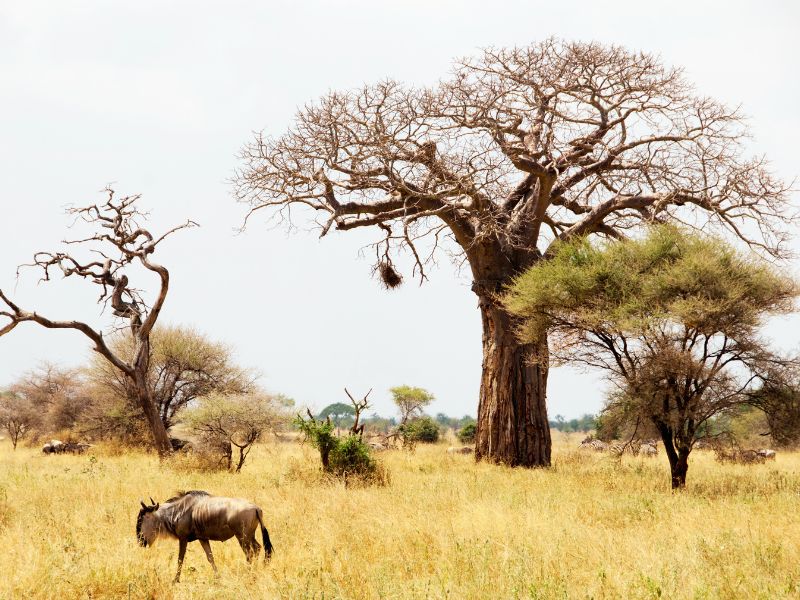
This park is diverse when it comes to its landscapes and vegetation characterised by hilly landscapes scattered with a large number of baobab trees, long grasses, and thick bushes.
What makes Tarangire famous and unique is being home to tree climbing lions, huge number of elephants and the baobab trees. This park also has other wildlife including waterbuck, giraffe, and olive baboon and carries over 500 recorded bird species making it a bird watchers paradise.
Activities: Game viewing and nature walks
Lake Manyara National Park
Located approximately 126 kilometers (78 miles) southwest of Arusha, Lake Manyara National Park is situated between the alkaline Lake Manyara and the Great Rift Valley in the Arusha and Manyara Regions of Tanzania. The park covers a relatively compact area of about 330 km² (127 sq mi), with the shallow Lake Manyara covering up to two-thirds of its surface area depending on the season.
The park features remarkable ecological diversity despite its size, featuring a narrow strip of land that includes a dramatic gradient from the towering Great Rift Valley escarpment to the eastern-lying soda lake. The landscape includes lush groundwater forests fed by underground springs, open grasslands, acacia woodlands, and the expansive lake and its fringing marshes.
What makes Lake Manyara famous and unique is being home to the rare tree-climbing lions, a behavior not commonly observed elsewhere. It also hosts one of Africa’s largest concentrations of elephants and is a true birdwatcher’s paradise with over 400 recorded bird species.
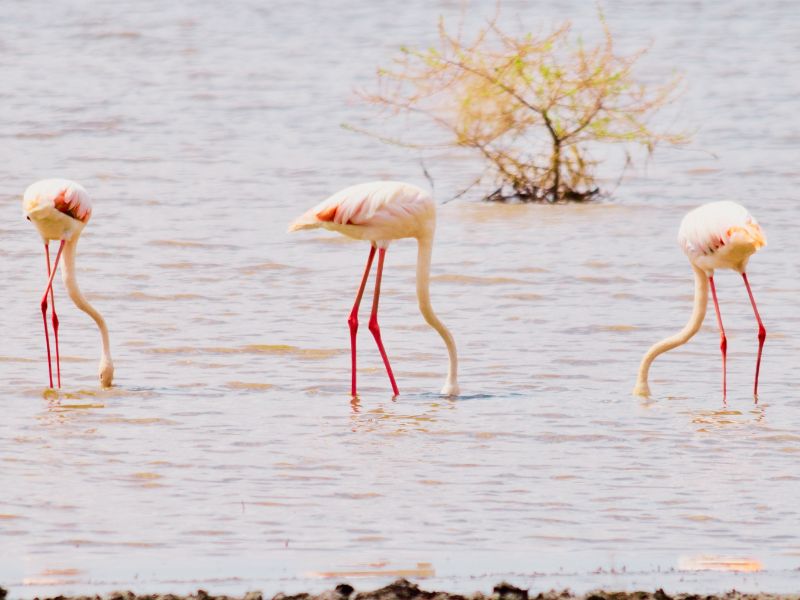
During the wet season, the lake is painted pink by vast flocks of lesser and greater flamingos.
Other wildlife includes large troops of baboons, hippos, giraffes, buffalo, and various antelopes.
Activities: Game Drives (Day and Night), Guided Walking Safaris, Canoeing (seasonal), Treetop Walkway, and Cultural Tours to the nearby Mto wa Mbu village.
Tanzania Travel FAQs: Planning your Tanzania Safari
What are the main tourist attractions in Tanzania?
Tanzania's headline draws are the Serengeti (Great Migration and big cats), the Ngorongoro Crater (a collapsed volcanic caldera packed with wildlife), and Mount Kilimanjaro (Africa's highest peak).
Beyond the northern safari circuit, Tarangire is famous for elephants and baobabs, Lake Manyara for tree-climbing lions and flamingos, and Zanzibar for white-sand beaches and Stone Town.
Ruaha and Nyerere (formerly Selous) in the south offer wilder, quieter safaris for repeat visitors.
When is the best time to visit Tanzania's attractions?
The dry season from June to October is the classic safari window, sparse vegetation and animals gathering at water make wildlife easier to spot.
For the Great Migration river crossings, aim for July to October in the northern Serengeti; for the calving season, January to February in the south. Zanzibar is best June–October and December–February, when the beaches are dry and sunny.
Where can I see the Great Migration in Tanzania?
The migration is a year-round loop within the Serengeti ecosystem, so the location matters more than the season. Roughly December–March the herds are in the southern Serengeti and Ndutu for calving; May–June they move through the western corridor; and July–October they reach the northern Serengeti, where the dramatic Mara River crossings happen. There is no single "migration month" ... time your trip to where the herds will be.
What's the difference between the Serengeti and the Ngorongoro Crater?
The Serengeti is a vast open plain (nearly 15,000 km²) where you follow wildlife across huge distances, including the migration.
The Ngorongoro Crater is a compact, enclosed caldera where a dense concentration of animals, including black rhino, lives in one contained area, so sightings are almost guaranteed in a single day. Most northern-circuit itineraries include both; they complement rather than compete.
Do I need a visa to visit Tanzania?
Yes. Most Western tourists, UK, EU, Canadian, and Australian passport holders, need a single-entry tourist e-visa of around $50 USD, valid for 90 days. US citizens must apply for a multiple-entry visa costing around $100.
Apply through the official portal (immigration.go.tz) at least three weeks before travel, and beware lookalike sites that overcharge.
How much does it cost to visit Tanzania's main attractions?
Government park fees alone are significant:
Serengeti runs roughly $70–80 per adult per day, and Ngorongoro adds about $70 per person plus a $295-per-vehicle fee to descend into the crater.
On top of that, a guided safari typically costs $250–450 per person per day at the mid-range level and $700–1,500+ for luxury, all-inclusive of vehicle, guide, lodging, and meals.
Kilimanjaro climbs are priced separately, usually $1,500–3,000+ depending on route and operator.
Is Tanzania safe for tourists?
Tanzania is generally safe and welcomes hundreds of thousands of tourists a year.
Safari areas are very secure when you travel with a licensed guide, and the main risk in cities like Arusha or Dar es Salaam is petty theft, which normal precautions handle. Use a reputable operator, keep valuables discreet, and follow your guide's advice around wildlife.
Can I combine a Tanzania safari with a beach holiday in Zanzibar?
Yes, this is one of the most popular combinations. Short flights connect the northern safari circuit (via Arusha or Kilimanjaro) to Zanzibar in roughly 60–90 minutes, so many travellers do a 5–7 day safari followed by 3–4 nights on the coast. Note that Zanzibar requires proof of travel insurance on entry, so factor that in.
How many days do I need to see Tanzania's top attractions?
For the classic northern circuit, Tarangire or Lake Manyara, the Serengeti, and the Ngorongoro Crater, plan a minimum of five to seven days. Add three to four nights if you're extending to Zanzibar, or five to nine days if you're climbing Kilimanjaro. Rushing the circuit means long drives with little time in each park, so more days almost always mean a better experience.
Do I need vaccinations to visit Tanzania?
A yellow fever vaccination certificate is required only if you're arriving from, or transiting through, a country where yellow fever is present; travellers flying directly from the UK, US, or Europe usually don't need one.
Malaria prophylaxis is strongly recommended for safari areas, and routine vaccinations should be up to date. Always confirm current requirements with a travel clinic before you go.
Can I climb Kilimanjaro without mountaineering experience?
Yes. Kilimanjaro is a non-technical trek, no ropes, harnesses, or climbing skills needed, which is why thousands of ordinary travellers summit each year.
What it does demand is solid fitness, mental stamina, and proper acclimatisation, since altitude, not terrain, is the main challenge.
Choosing a longer route (seven or eight days) dramatically improves your odds of reaching the summit.
Can I combine Tanzania with a Kenya safari?
Yes, the two share the same ecosystem, with Kenya's Maasai Mara and Tanzania's Serengeti forming one continuous wildlife landscape across the border.
A combined trip lets you follow the migration and see both countries' signature parks in a single journey.
Ready to Plan Your Safari?
With our expert advice and local knowledge, we’ll help you craft your personalized safari tour.
Just fill out our Custom Safari Request Form to get started!